Many children and young people with disability and their families tell us they feel unprepared when navigating school, disability, health, and community services.
Take Charge of Change is a free collection of practical, accessible resources to help children and young people with disability, parents and caregivers feel more confident during major life changes, like starting school or moving into employment.
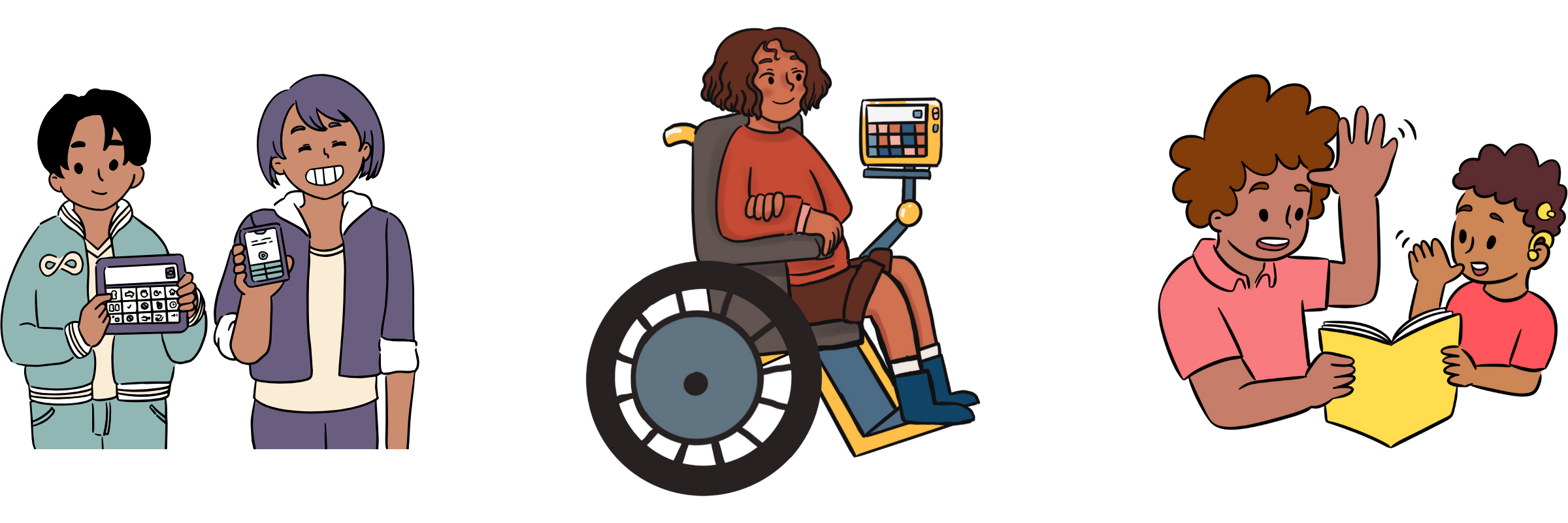
The resources were co-designed with children and young people with disability, parents, and caregivers, and reflect lived experiences of autism, intellectual disability, physical disability, and psychosocial disability. The co-design process also included people from rural and regional areas, culturally diverse communities, and LGBTQIA+ communities.
The Take Charge of Change resources have been co-designed with over 80 children and young people with disability, parents, and caregivers across 48 co-design sessions.
In our Wave One resource launch webinar, the project team and co-designers share:
how lived experience shaped these resources
what authentic co-design looked like across the project
how the tools support transitions like school, work, and community life
what’s planned next
Sharing the Story of Co-Design
Co-designers have shared insights from their lived experience and worked together to identify topics where information resources are needed, choose audiences and resource types, and give extensive feedback on multiple rounds of drafts.
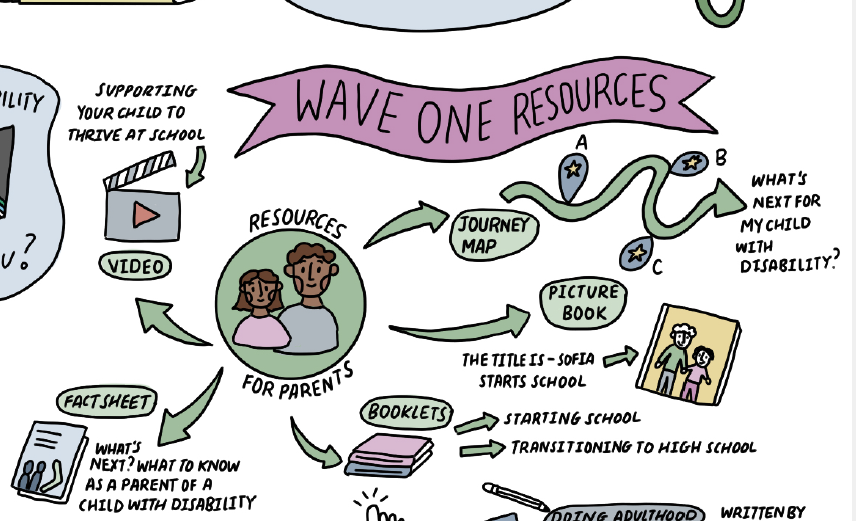
This process has been captured in a series of five graphic recordings, illustrated by Kaygan Lane. Click below to explore the co-design journey: