“Self-care” is exhausting (ironic, huh)
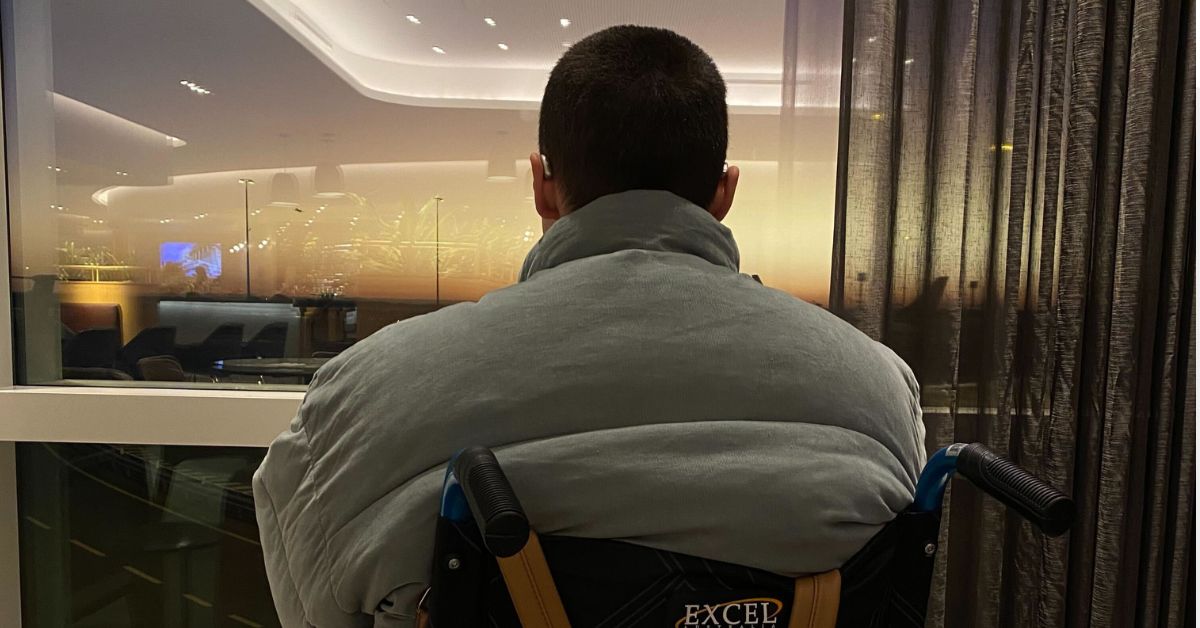
I love self-care. I will gladly indulge in anything that gives me the happy brain stuff (also known as Serotonin and Dopamine), but my enjoyment of reading uninterrupted for days, or cleaning, or rewatching something I’ve seen a million times before isn’t generally perceived as “self-care”, despite its positive impact.
What they don’t tell you when you receive a diagnosis
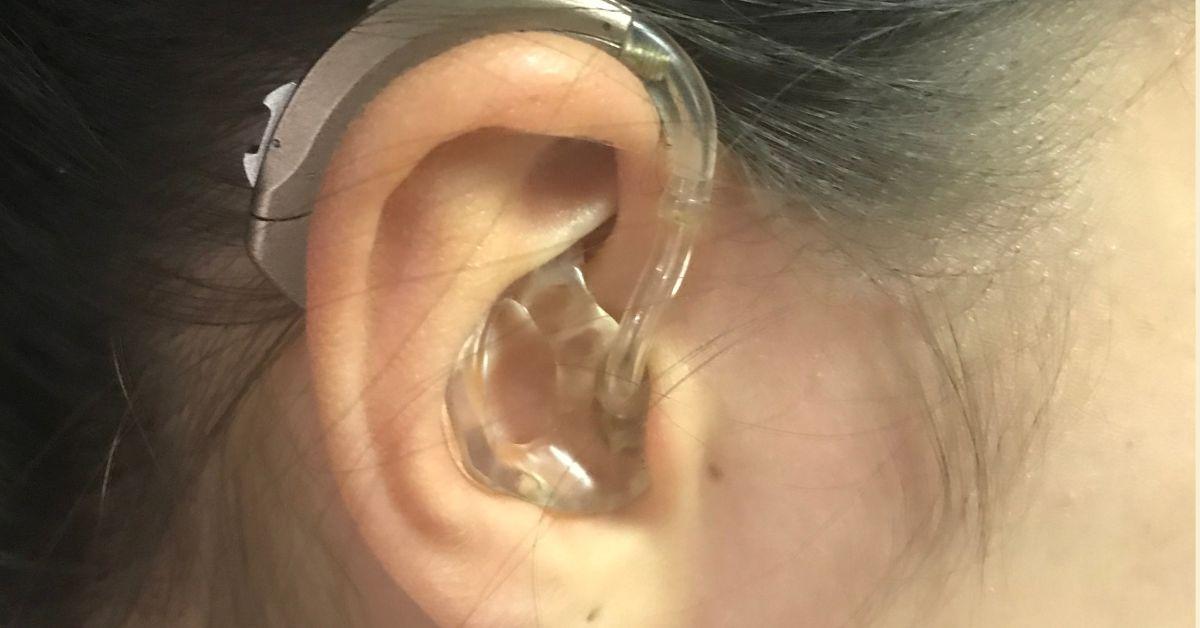
Diagnoses of invisible disabilities (for example, MS, ADHD, arthritis, brain injuries, diabetes, learning disabilities, chronic pain and fatigue etc.) are undeniably tricky to navigate, and can be especially difficult for parents with young children with little to no experience of the disability sector
The value of disabled teachers in the classroom
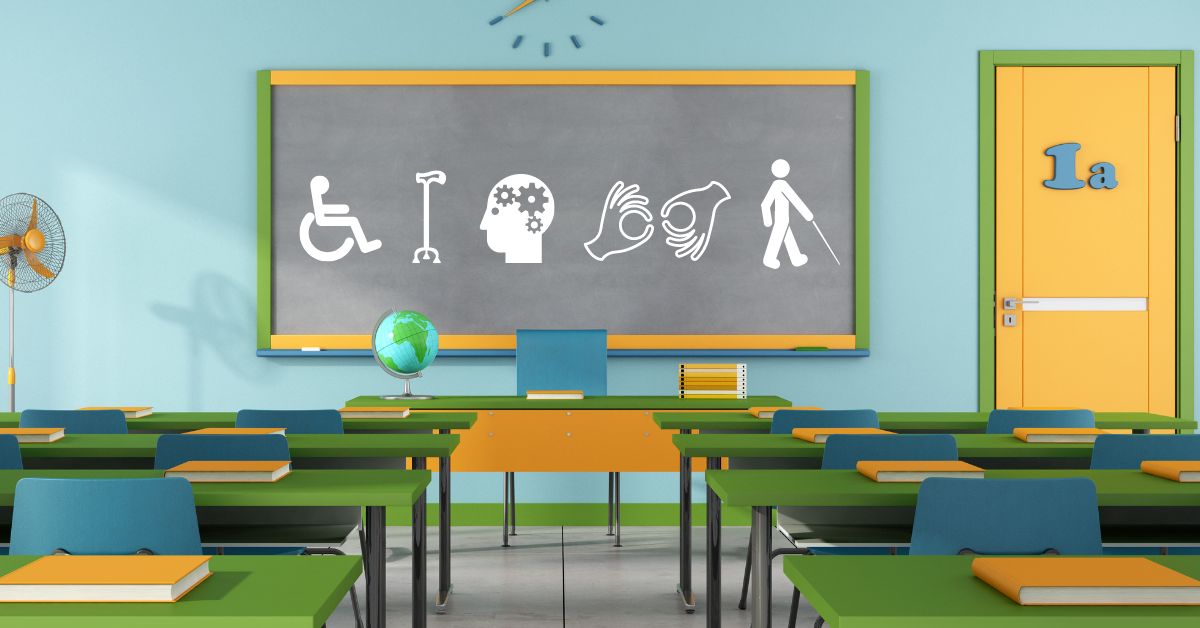
I have done a lot of evolving in my short-long life. From the kid who was left behind, to the person teaching the class. I have a lot to say on the education system – mostly that it’s kaput – and I feel a lot of responsibility when it comes to teaching my kiddos (who, like me, are disabled).
Self-care is prioritising your needs and values
I used to be someone who considered self-care another thing on the to-do list, a burden of sorts. I desperately wanted self-care to “work” so that I could get on with my life. It was almost clinical.
Overcoming the fear of labelling
Since I was a school kid, I have shown signs of ADD – attention deficit disorder.
Spending majority of my classes in uncontrolled daydreaming, fidgeting unconsciously with the stationaries on my desk, and missing half of my schoolwork unintentionally, I started to become frustrated about myself.
Overcoming the fear of labelling
A diagnosis is an understanding of myself, and a closure to my unresolved thoughts. It is not a label to be ashamed of, no matter what it is.
Taking the first step in an inclusive life – Experiences of Australian early childhood education and care
CYDA survey of parents and caregivers of young children with disability, talking about their experiences of early childhood and care.
Year 12 students with disability forced to navigate fragmented support systems while completing final exams

A new report by Children and Young People with Disability Australia (CYDA), and researchers from The University of Melbourne and University of New South Wales, young people with disability talk about the additional challenges they face as they finish school and make the transition to work or higher education.
Federal budget takes some steps toward inclusion, but more is needed to address challenges faced by children and young people with disability

While many measures are welcomed, the Federal Budget handed down on 25 October could have gone further to address the inequities faced by children and young people with disability in education, employment, social security and appropriate measures to support people at higher risk of complications during the ongoing COVID-19 pandemic.
Breaking news! CYDA welcomes a new CEO
![A smiling white woman in a professional blazer with pearl earrings, square glasses and straight blonde hair.]](https://cyda.org.au/wp-content/uploads/2023/08/staff_400_Skye_Kakoschke-Moore.jpeg)
Ms Kakoschke-Moore looks forward to leading CYDA in its work to empower children and young people with disability to fully exercise their rights and aspirations.
CYDA welcomes funding boost for Inclusion Support Program, says further support needed to make the early learning system more inclusive
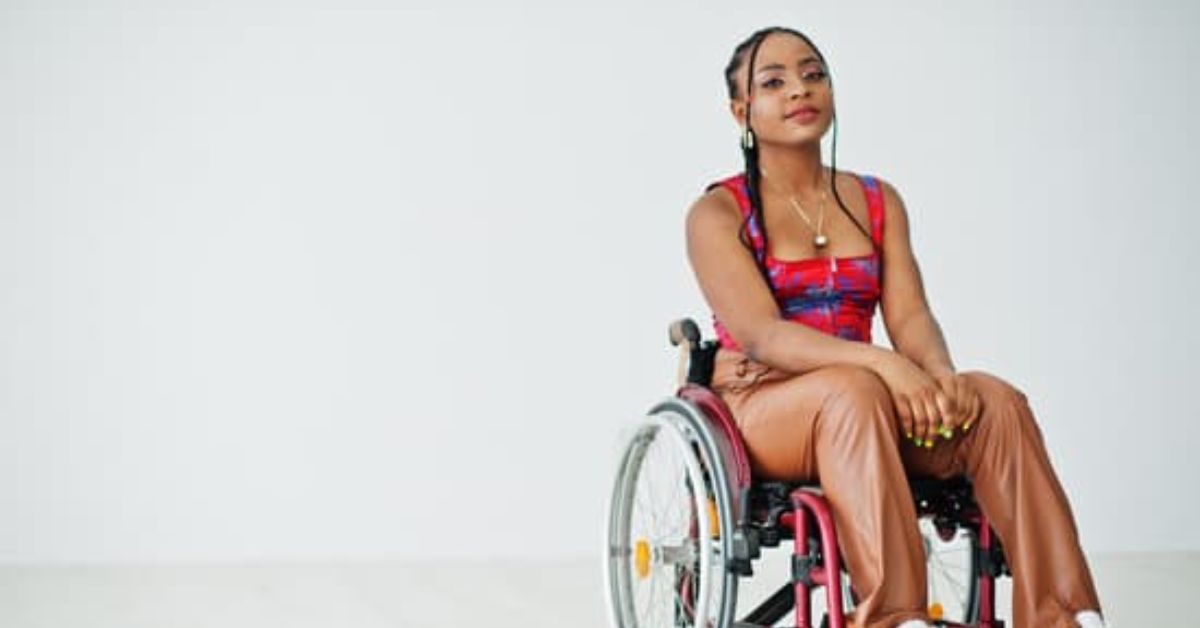
CYDA welcomes the independent review of the National Disability Insurance Scheme (NDIS), announced by NDIS Minister Bill Shorten this week, to be co-chaired by Professor Bruce Bonyhady AM and Lisa Paul AO PSM, supported by a panel of experts in the sector.
Being realistic about inclusion: What’s realistic for young people with disability?
Article discussing young people with disability in the school system, and a roadmap for changing what is taken to be ‘realistic’.