Home » Resources » Resources to help you with the education system
On This Page
Know your rights
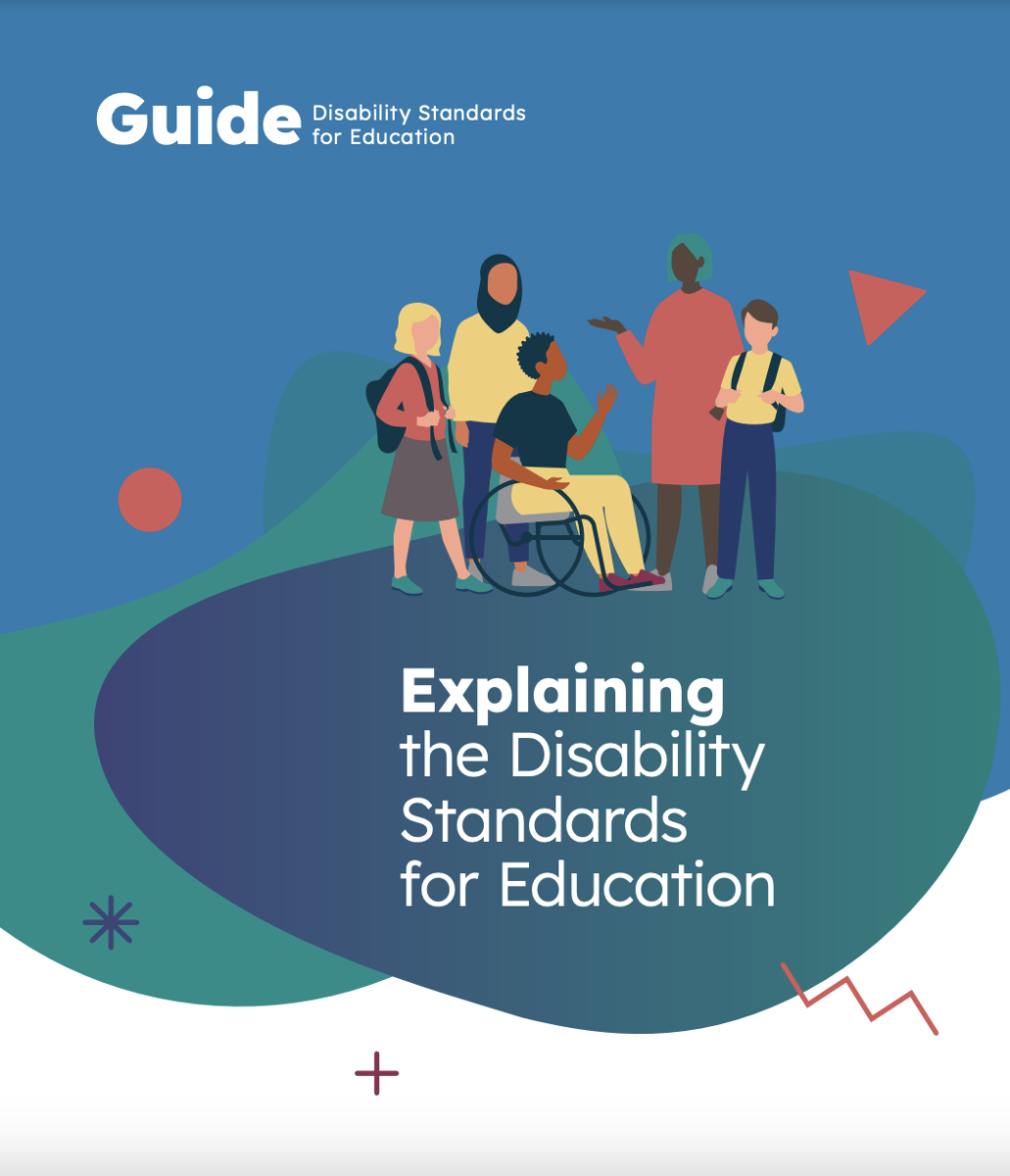
CYDA has been working with the Australian Government to develop a series of resources to help students with disability, their families and caregivers understand their rights in the education system.
The resources were co-designed by young people with disability and their families and are available in Easy Read, Auslan and community languages.
In February 2026, CYDA released the South Australia Roadmap to Inclusive Education, the first state-specific roadmap adapted from the ACIE National Roadmap.
Developed in consultation with more than 700 South Australians, it sets out a clear, long-term plan to build a school system where every child is welcomed and supported to learn, belong, and thrive.
It also includes important resources for students, families, and educators to support inclusion at school.
Inclusive education is about everyone learning, growing and flourishing – together – in all our diversity. Inclusive education recognises the right of every child and young person – without exception – to be included in general education settings. It involves adapting the environment and teaching approaches to ensure genuine and valued full participation of all children and young people. It embraces human diversity and welcomes all as equal members of an educational community.
Research evidence overwhelmingly supports inclusive education. As well as positive outcomes for social justice and a sense of community and belonging, there are benefits for learning outcomes and for the social, behavioural and physical development of children and young people who do and do not experience disability.
Barriers to inclusive education prevent children and young people who experience disability from learning and participating fully, with far-reaching and lifelong implications. Major barriers include negative attitudes and stigma around ‘difference’ and ‘disability’, inadequate education and professional development for teachers and specialist support staff, and systemic barriers, such as inadequate funding and support from education authorities. Underpinning these barriers is ongoing ableism.
Leadership is required to bring about the substantial change needed to facilitate inclusive education, ensuring that every child and young person can fully and genuinely participate, and have the contribution they make recognised.